The Forager's Table: Forgotten Alpine Herbs and Hearth Cooking
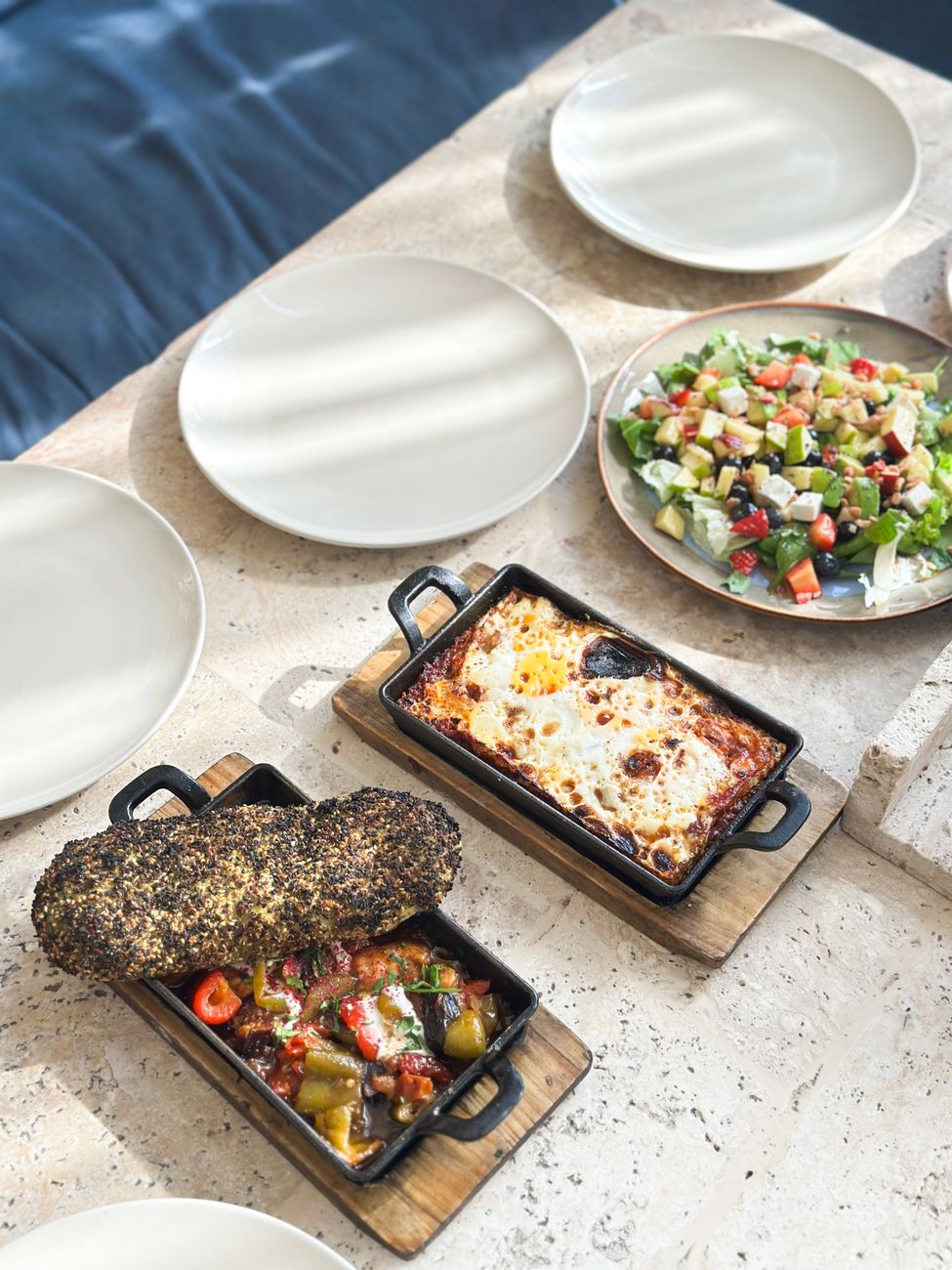
Above 1,800 meters, vegetative growth is governed by scarcity. Plants here concentrate their essential oils to withstand sub-zero nights, sudden hailstorms, and relentless ultraviolet exposure. The result is an intoxicating aromatic intensity found nowhere in lowland valleys.
The High Pastures
Walking with mountain foragers through Trentino and Alto Adige reveals a botanical pharmacopeia hiding in plain sight: wild thyme clinging to dolomite scree, bitter yarrow, masterwort, and the resinous buds of mountain pine.
For centuries, shepherds and subsistence farmers harvested these herbs not out of gourmet novelty, but as digestive aids and methods for curing butter and cheeses through extended snow-locked winters.
Preserving the Frost
A quiet revolution in contemporary mountain kitchens is honoring this frugal heritage. Rather than flying in exotic citrus or greenhouse tomatoes, local chefs rely on lacto-fermentation, herbal vinegars, and aged pine salts to introduce brightness to heavy dairy and grain dishes.
"When your flavor pantry is defined by what grows within three hours on foot, food ceases to be entertainment and becomes regional geography made edible."
Fire as Seasoning
Cooking over dry larch and birch embers imparts a subtle sweetness distinct from the aggressive soot of industrial charcoal. Bread baked in restored stone hearths retains crackling crusts and moist rye crumb for weeks, an enduring testament to the wisdom of agrarian patience.
Culinary Expeditions
We design private gastronomic itineraries connecting culinary professionals with heritage artisans.
Inquire About Food Tours